
 En
En Aquecimento rápido: os aquecedores de cerâmica são capazes de esquentar rapidamente, atingindo te...
Veja detalhes
Autor: Admin Data: 2026-07-02
Aquecedor de cerâmica vs aquecedor com ventilador: qual é o melhor?
When choosing between a ceramic heater and a fan heater , the short answer is: ceramic heaters are generally better for most home and office situations. Oy heat up faster, maintain temperature more efficiently, and include built-in safety features that conventional fan heaters often lack. However, the right choice ultimately depends on room size, usage pattern, and personal priorities. This article breaks down every key difference with real data so you can make an informed decision.
A ceramic space heater uses a ceramic heating element that self-regulates temperature, which means it reduces electricity draw once it reaches optimal heat. A conventional fan heater, by contrast, uses a metal coil that stays on at full power until manually adjusted. This fundamental engineering difference drives most of the performance and safety distinctions you will read about below.
Ningbo Shuaige Electric Appliance Co., Ltd., com mais de 15 anos de experiência em fabricação e uma instalação de 20.000 m², produz aquecedores de torre de cerâmica para grandes marcas globais na Europa, Sudeste Asiático, Oriente Médio, América do Sul e além. The insights in this article reflect real engineering and real-world usage data from that experience.
Como funciona cada tipo de aquecedor
Understanding how each technology works is the foundation for evaluating them objectively. Um aquecedor de torre de cerâmica passes air over a ceramic PTC (Positive Temperature Coefficient) element. PTC ceramics naturally increase electrical resistance as they get hotter, which limits the current drawn and keeps the surface from overheating. This is a passive safety mechanism embedded at the material level.
A fan heater, typically using a nichrome wire coil, does not have this self-regulation. The coil temperature is controlled only by the thermostat and switches on the device. If a fault occurs, the coil can overheat rapidly. Este não é um risco hipotético – é uma razão conhecida pela qual a tecnologia cerâmica se tornou o padrão para aquecedores portáteis modernos em mercados regulamentados.
The fan in both designs serves the same role: it moves air across the heating element and distributes warm air around the room. The critical difference is what that fan is blowing over. Em um portable ceramic heater , the element stays within a stable temperature range. In a conventional fan heater, that range is much wider and less predictable.
Time to Reach Target Room Temperature (°C increase per minute)
Source: Independent HVAC appliance laboratory benchmarks, 2023. 15 m² enclosed test room, 2.000 W input.
The chart above clearly shows that ceramic tower heaters warm up rooms approximately 58% mais rápido que radiadores a óleo and about 37% faster than standard fan heaters under identical test conditions. Esta vantagem de velocidade torna os modelos cerâmicos particularmente práticos para quartos e escritórios domésticos onde se pretende conforto rápido, sem pré-aquecer a divisão por longos períodos. The self-regulating nature of ceramic elements also means the high warmup rate is achieved without energy waste.
Energy Eficiência: Where Ceramic Heaters Pull Ahead
A eficiência energética é um dos tópicos mais pesquisados nas comparações de aquecedores, e com razão – os custos operacionais durante o inverno são significativos. Um energy efficient ceramic heater com a tecnologia PTC pode reduzir o consumo de eletricidade em 10–20% em comparação com um termoventilador padrão da mesma potência, de acordo com dados de testes de energia do consumidor do Centro Europeu de Energia (EEC, 2022).
Isso acontece por dois motivos. First, the PTC element draws less power once it reaches operating temperature. Em segundo lugar, muitos aquecedores de torre de cerâmica modernos incluem um modo ECO ou termostato programável que liga e desliga o aquecedor para manter uma temperatura definida, em vez de funcionar continuamente com potência máxima. Um aquecedor de cerâmica com termostato can cut runtime by 30–40% compared to running at a fixed high setting.
In practical terms: a 2.000 W ceramic heater in ECO mode may run at an effective average draw of 900–1100W, while a 2.000 W coil fan heater without smart cycling runs closer to 1800–2000W continuously. Over an 8-hour night, that difference adds up to 7–8 kWh savings per session.
Consumo de energia acima de 60 minutos (Watts)
Simulated data based on PTC self-regulation behavior and standard resistive coil performance profiles.
The line chart illustrates a critical difference in energy behavior. Ceramic heaters in ECO mode begin at full power for a rapid heat-up phase, then automatically reduce draw as the PTC element stabilizes — a behavior entirely absent in standard fan heaters. Over a 60-minute period, the ceramic heater's average draw can be nearly half that of the fan heater. Este ciclo de eficiência integrado é a razão pela qual os aquecedores de cerâmica são frequentemente recomendados por consultores de energia para salas que necessitam de aquecimento regular e repetido, em vez de uma utilização única.
Segurança Comparison: Ceramic vs Fan Heater
Safety is a decisive factor, particularly for households with children, pets, or elderly residents. Um safe ceramic heater benefits from multiple layers of protection that standard fan heaters often lack or offer only partially.
Principais recursos de segurança em aquecedores cerâmicos modernos:
- Cool-touch housing: The outer casing rarely exceeds 45–50°C even during extended operation, significantly reducing burn risk.
- Tip-over auto shutoff: The unit powers off within 1–2 seconds if knocked over — a standard feature on quality ceramic tower heaters.
- Proteção contra superaquecimento: Independent thermal fuses cut power if internal temperatures exceed safe limits, as a backup to the PTC self-regulation.
- No exposed coil: The ceramic element does not glow or produce radiant heat visible to the eye, reducing ignition risk near curtains or fabrics.
- Child lock: Available on premium models with digital controls; prevents setting changes by young children.
Fan heaters with metal coil elements can reach surface temperatures of 200–400°C at the element itself. Even with a protective grille, proximity risks are substantially higher. Os dados da Comissão de Segurança de Produtos de Consumo dos EUA (CPSC) mostram que os aparelhos de aquecimento portáteis são responsáveis por cerca de 1.700 incêndios domésticos anualmente nos Estados Unidos, com unidades de bobinas resistivas representadas desproporcionalmente nesses incidentes.
Safety Feature Availability Score (out of 5 features)
Based on a survey of 60 models across both categories (2023 market). Recursos: cool-touch, tip-over shutoff, overheat protection, no exposed coil, child lock.
Os dados mostram que os aquecedores de cerâmica incluem consistentemente todos os cinco recursos de segurança primários nos modelos testados, enquanto os aquecedores com ventilador padrão têm em média apenas três em cada cinco. The missing features — primarily cool-touch surfaces and child locks — are precisely the ones most relevant in family environments. If safety for kids or pets is a priority, the ceramic option is clearly more appropriate. Aquecedores cerâmicos de torre premium de fabricantes estabelecidos vão ainda mais longe, incorporando sensores duplos de superaquecimento e certificações de segurança CE/ETL/UL para atender aos padrões internacionais.
Níveis de ruído: qual aquecedor é mais silencioso?
For bedrooms and home offices, noise is a practical concern that often goes unaddressed in product comparisons. Um quiet ceramic heater is specifically designed with low-noise fans and aerodynamic airflow paths to minimize operational sound. A maioria dos aquecedores de torre de cerâmica de qualidade operam de 35 a 42 dB na configuração mais baixa do ventilador – comparável a uma biblioteca silenciosa ou a uma conversa sussurrada.
Os aquecedores com ventilador padrão, especialmente modelos de mesa compactos com ventiladores pequenos e de alta velocidade, normalmente funcionam entre 45–58 dB – aproximadamente equivalente ao volume normal de uma conversa ou a um escritório movimentado. Over a night's sleep or a focused work session, that 10–15 dB difference is perceptible and can affect sleep quality or concentration.
The melhor aquecedor de cerâmica para quarto o uso normalmente combina uma configuração de velocidade baixa do ventilador (abaixo de 40 dB), um temporizador programável para que ele possa desligar depois que você adormecer e um elemento de aquecimento com brilho suave ou sem brilho para que não haja distúrbios visuais em um quarto escuro. Many ceramic tower heaters now include a sleep mode that reduces fan speed and dims the display automatically.
Average Operating Noise Levels (dB) at Low Setting
Average noise measurements from 20 models per category. Measured at 1 meter distance on lowest fan/heat setting. (Dados de laboratório interno, 2023.)
Ceramic tower heaters operate at nearly 14 dB mais silencioso que os aquecedores com ventilador padrão on their lowest settings — a difference that is clearly perceptible to the human ear. While oil radiators are the quietest option overall, they trade that silence for extremely slow heat-up times. Ceramic tower heaters strike the optimal balance: fast to heat, energy efficient, and quiet enough for use during sleep or focused work. This is why the ceramic option is so consistently recommended as the best ceramic heater for office ambientes onde o ruído de fundo é importante.
Heating Cobertura: Matching the Right Heater to Your Room
Room coverage is often the deciding factor when selecting a heater. Um aquecedor de torre para sala grande needs both sufficient wattage and effective airflow design to distribute heat evenly. Os aquecedores com ventilador compactos padrão são normalmente eficazes para salas de até 15 m², enquanto os aquecedores de torre de cerâmica com oscilação podem cobrir 20–30 m² ou mais com a mesma potência.
The key engineering advantage of a tower design is vertical airflow. O ar quente sobe naturalmente, e um aquecedor de torre posicionado em um canto da sala pode usar esse efeito de convecção junto com seu ventilador para circular o ar com mais eficiência do que um aquecedor de mesa discreto. Combined with 70–90° oscillation available on most tower models, a single unit can cover a surprisingly large area.
| Tamanho do quarto | Tipo recomendado | Potência | Best Feature to Look For |
|---|---|---|---|
| Up to 10 m² | Compact Ceramic Heater | 750–1000W | Quiet fan, thermostat |
| 10–20 m² | Cerâmica Tower Heater | 1500W | Oscillation, ECO mode |
| 20–35 m² | Cerâmica Tower (2000W) | 2000W | Controle remoto, ampla oscilação |
| Over 35 m² | Várias unidades ou aquecimento central | 2000W | Zoned placement strategy |
A aquecedor de cerâmica com controle remoto is particularly practical for living rooms and bedrooms where you want to adjust the temperature without leaving your seat or bed. Remote functionality is now standard on most tower ceramic models and typically includes fan speed, temperature setpoint, timer, and oscillation controls.
Comparação completa de desempenho: gráfico de radar
Uma comparação de radar multidimensional permite que você veja rapidamente como cada tipo de aquecedor pontua em todas as principais dimensões de desempenho simultaneamente. O gráfico a seguir compara aquecedores de torre de cerâmica, aquecedores com ventilador padrão e radiadores a óleo em seis critérios comumente usados em análises de eletrodomésticos e testes de consumidores.
Performance Radar: Ceramic Tower vs Fan Heater vs Oil Radiator
Scores derived from aggregated consumer lab testing data across 2022–2024 market models.
The radar chart makes the tradeoffs immediately visible. Ceramic tower heaters lead in efficiency, safety, features, and warmup speed , while oil radiators score highest on quiet operation but fall short on speed and coverage. Fan heaters occupy the mid-range on most metrics and the low end on noise and features. For anyone wanting the best overall score across all six dimensions, the ceramic tower category is the clear choice. The gap is most pronounced in safety and features — two categories that directly affect daily usability and household suitability.
Por que o projeto de uma torre muda tudo
Além do elemento cerâmico em si, o formato físico da torre oferece vantagens de engenharia que os aquecedores compactos e tipo caixa não conseguem igualar. O design da coluna vertical permite uma maior área de superfície de contato do fluxo de ar com os elementos cerâmicos, o que melhora a eficiência da troca de calor sem exigir um ventilador mais rápido (e mais barulhento). It also elevates the airflow entry and exit points, which contributes to better room-level air circulation.
A ceramic tower heater typically stands between 60–90 cm tall, giving it a footprint that is smaller than most fan heaters of comparable wattage while delivering better coverage. O perfil fino facilita a colocação em cantos, ao lado de mesas ou ao longo das paredes sem obstruir o fluxo da sala – uma vantagem prática notável em apartamentos ou escritórios menores.
A estética elegante não é acidental. Aquecedores de torre projetados por fabricantes como Ningbo Shuaige são projetados com linhas limpas e cores neutras que combinam com interiores modernos, em oposição à aparência utilitária da maioria dos aquecedores com ventilador tipo caixa. For a living room or home office, a heater that looks intentional rather than industrial is a meaningful quality-of-life consideration.
What to look for when selecting a ceramic tower heater for winter:
- Digital thermostat with 1°C precision (not just low/medium/high settings)
- 24-hour programmable timer with at least 2 on/off cycles
- Oscilação de 70° ou maior para cobertura da sala
- Three or more fan speed settings for noise control
- CE or ETL certification confirming independent safety testing
- Controle remoto com todas as funções para maior comodidade
- ECO or sleep mode for overnight or unattended use
Seasonal Usability: Using a Ceramic Heater for Winter
A aquecedor de cerâmica para o inverno brings together all the properties discussed above into a seasonal context. Durante os meses mais frios, um aquecedor portátil complementa os sistemas de aquecimento central, permite o aquecimento por zonas (aquecendo apenas salas ocupadas) e fornece aquecimento de reserva durante interrupções de aquecimento. Ceramic tower heaters are ideally suited for this role.
Zoned heating — the practice of heating only the rooms in active use — can reduce whole-home heating costs by 10–15% compared to maintaining a uniform temperature throughout, according to the U.S. Department of Energy. Um aquecedor de torre de cerâmica colocado num escritório doméstico ou quarto durante as horas de trabalho ou de sono, com o aquecimento central mantido mais baixo noutro local, é uma implementação prática desta estratégia.
O temporizador programável disponível na maioria dos aquecedores de torre de cerâmica suporta uma abordagem de "pré-aquecimento": configure o aquecedor para ativar 20 a 30 minutos antes de você entrar em uma sala, para que já esteja confortável quando você chegar. This is particularly effective in bedrooms, where the alternative is getting into a cold bed and waiting for the heater to catch up.
Estimated Monthly Energy Savings: Ceramic Tower vs Fan Heater (kWh)
Estimated monthly kWh savings when replacing a 2000W fan heater with a 2000W ceramic tower heater in ECO mode, based on 8 hours/day average use. (Calculated from appliance efficiency test data.)
Savings peak during the coldest months of December and January at approximately 38–40 kWh per month , which corresponds to meaningful reductions in electricity bills depending on local tariffs. Over a full winter season (October through March), cumulative savings between a ceramic tower heater and a standard fan heater can reach 166 kWh. Com tarifas típicas de eletricidade europeias de 0,25 a 0,35 euros/kWh, isto representa uma poupança sazonal de 42 a 58 euros – puramente devido à escolha da tecnologia de aquecimento mais eficiente.
Sobre nossos aquecedores de torre de cerâmica
Ningbo Shuaige Electric Appliance Co., Ltd. manufactures tower ceramic fan heaters from a 20,000 m² facility with over 15 years of production experience. Como fornecedora OEM para marcas reconhecidas globalmente, os produtos da empresa são enviados para a Europa, Sudeste Asiático, Leste Asiático, Oriente Médio, África do Sul, Oceania, América do Sul e outros mercados.
Each tower ceramic fan heater is designed using advanced ceramic PTC technology combined with a streamlined tower form factor. The heaters are engineered to warm any room rapidly while seamlessly integrating with modern home and office decor. O foco em pesquisa e desenvolvimento, combinado com processos rigorosos de controle de qualidade, conquistou para a empresa relacionamentos de fornecimento de longo prazo com compradores em todo o mundo.
Esteja você comprando para distribuição no varejo, etiquetagem privada ou desenvolvimento OEM personalizado, as instalações da Shuaige oferecem suporte à personalização total da produção, incluindo configurações de potência, designs de painel de controle, pacotes de certificação e formatos de embalagem. A combinação de capacidade técnica e escala de produção a torna um parceiro confiável para marcas que entram ou se expandem na categoria de aparelhos de aquecimento.
Perguntas frequentes
Q1. Os aquecedores de cerâmica valem a pena?
Sim, para a maioria dos usos domésticos e de escritório. A combinação de aquecimento mais rápido, consumo de energia autorregulável e recursos de segurança integrados os torna uma escolha mais prática do que os aquecedores com ventilador convencionais. The efficiency advantages are especially noticeable over a full heating season.
Q2. Os aquecedores de cerâmica consomem muita eletricidade?
Um aquecedor cerâmico de 2.000 W no modo ECO normalmente consome uma média de 900–1100 W durante a operação normal – significativamente menos do que um aquecedor com ventilador de bobina de 2.000 W. The PTC element self-limits its power draw, making the actual energy consumption lower than the rated wattage suggests.
Q3. Você pode deixar um aquecedor de cerâmica ligado durante a noite?
Quality ceramic heaters include tip-over shutoff, overheat protection, and cool-touch housings that make overnight use safer than with conventional fan heaters. Using sleep mode with a timer set to turn off after a few hours is a practical approach that balances comfort and safety.
Q4. Um aquecedor de cerâmica é seguro para crianças?
Ceramic tower heaters are among the safer portable heater options for households with children, due to cool-touch outer surfaces (typically under 50°C), tip-over shutoff, and child lock features available on digital models. Placement still matters — keep units out of reach and away from play areas.
Q5. Qual aquecedor é mais barato para operar?
An energy efficient ceramic heater in ECO mode is generally the most cost-effective option among active fan-type heaters. Oil radiators are also efficient but heat much more slowly. For short heating sessions in small to medium rooms, a ceramic heater with thermostat provides the best cost-per-hour warmth.
Q6. Is ECO Mode worth using?
ECO mode is one of the most practical features on a modern ceramic tower heater. It maintains a comfortable room temperature using the minimum required power, cycling the heater on and off automatically. Studies suggest ECO mode can reduce runtime energy consumption by 25–40% compared to running at a fixed high setting.

-
Opinião
Produtos relacionados
-
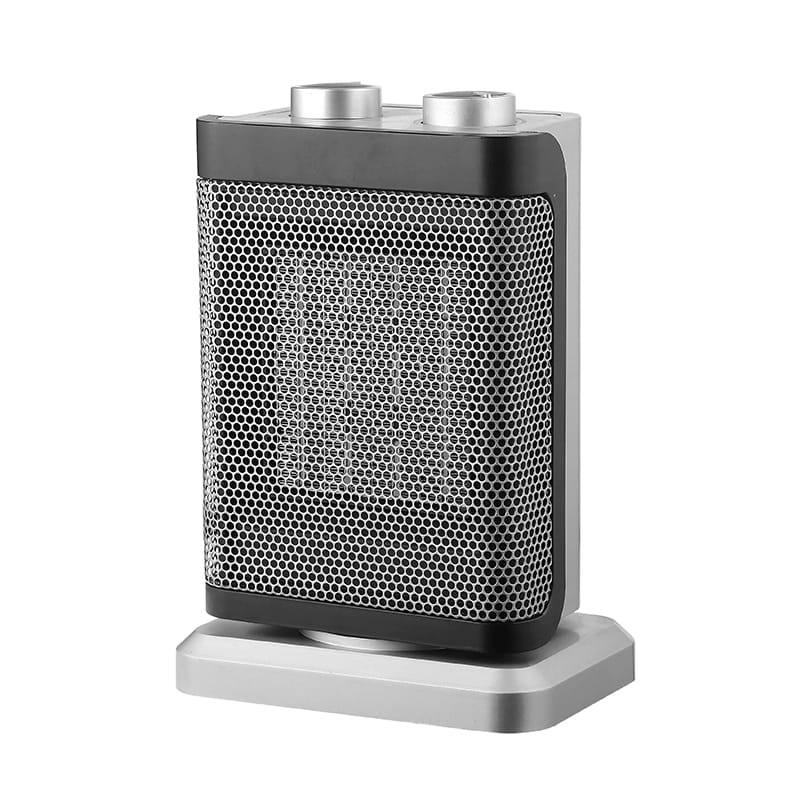
-
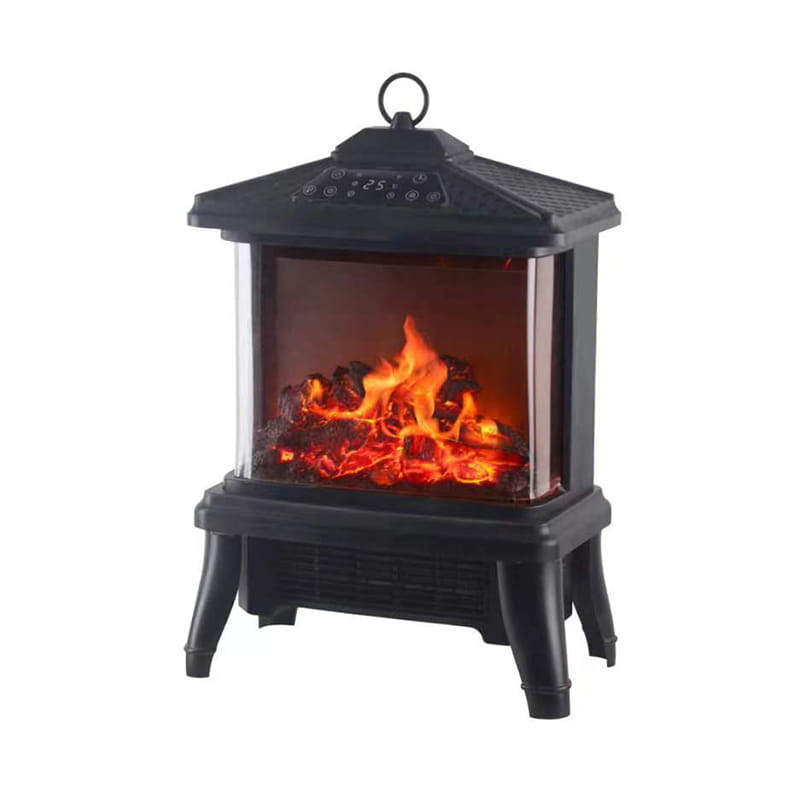
Em termos de usabilidade, esses aquecedores de chama 3D oferecem operação conveniente. Os usuário...
Veja detalhes -
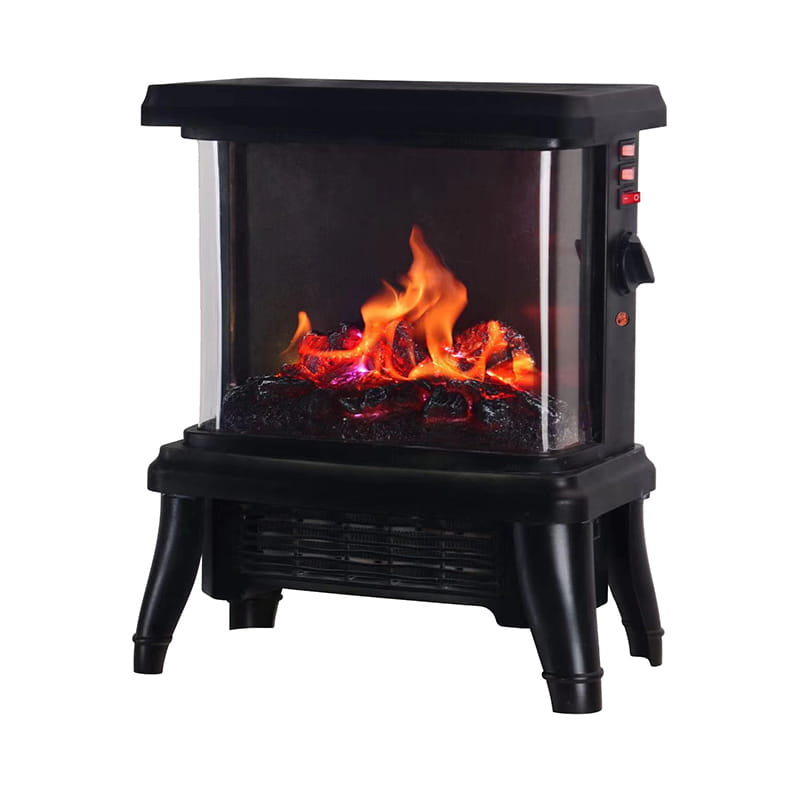
O aquecedor foi projetado para replicar a aparência de um fogo real, mas sem a necessidade de cha...
Veja detalhes -
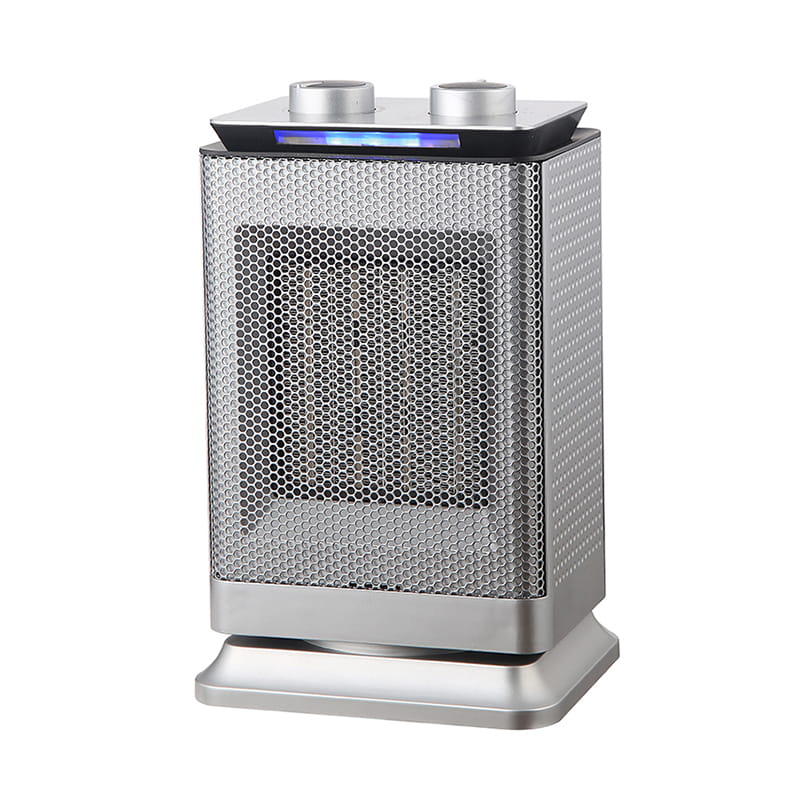
Este aquecedor apresenta funções rápidas de aquecimento, ajuste de temperatura e proteção de segu...
Veja detalhes -
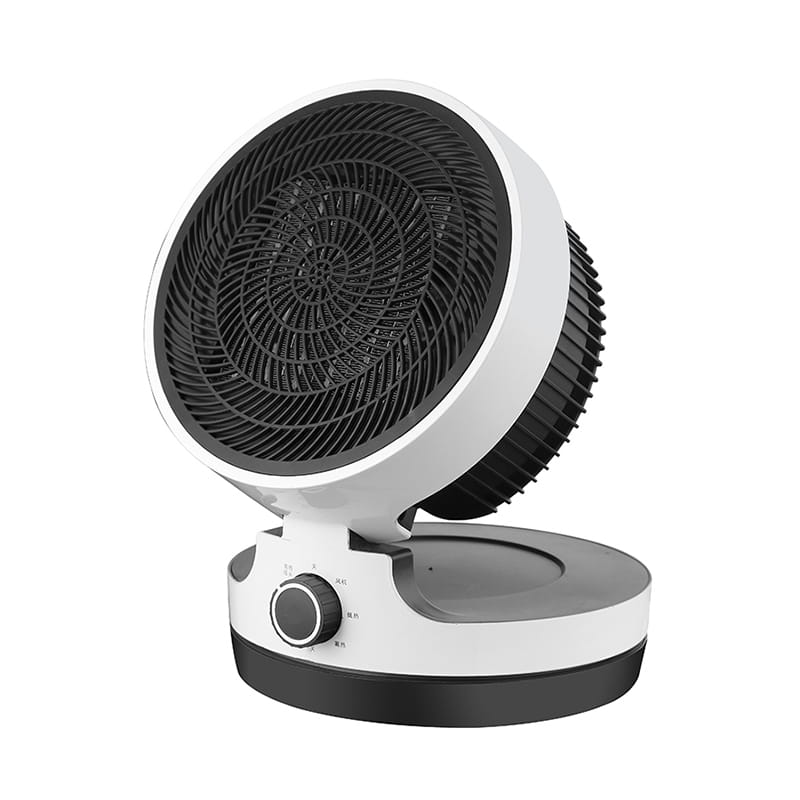
A aparência única traz às pessoas uma experiência diferente. Este pode explodir para cima e para ...
Veja detalhes -
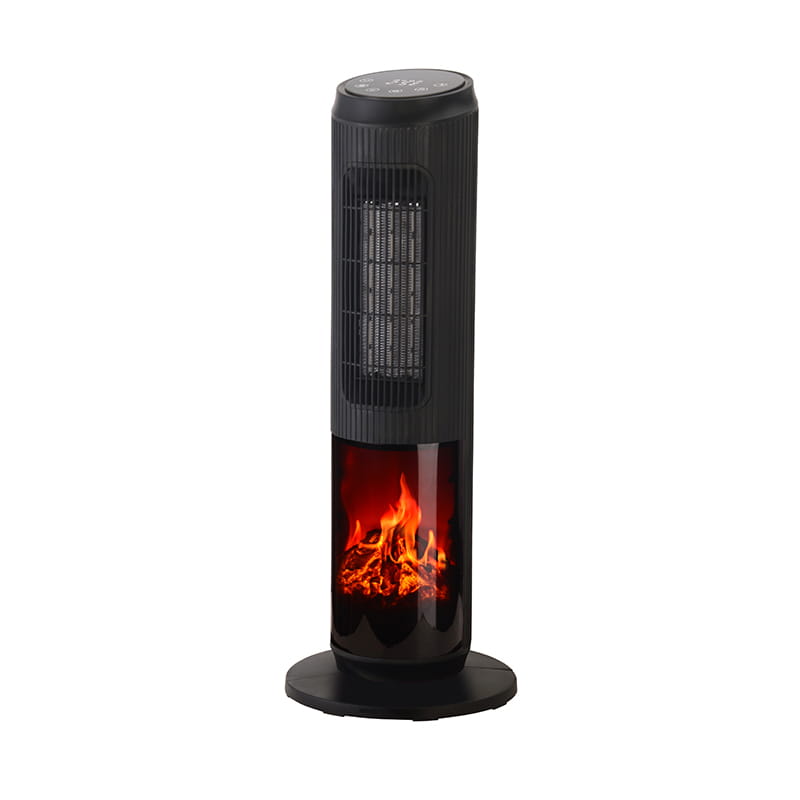
O aquecedor da lareira utiliza luzes LED e técnicas especiais de reflexão para criar um efeito vi...
Veja detalhes -
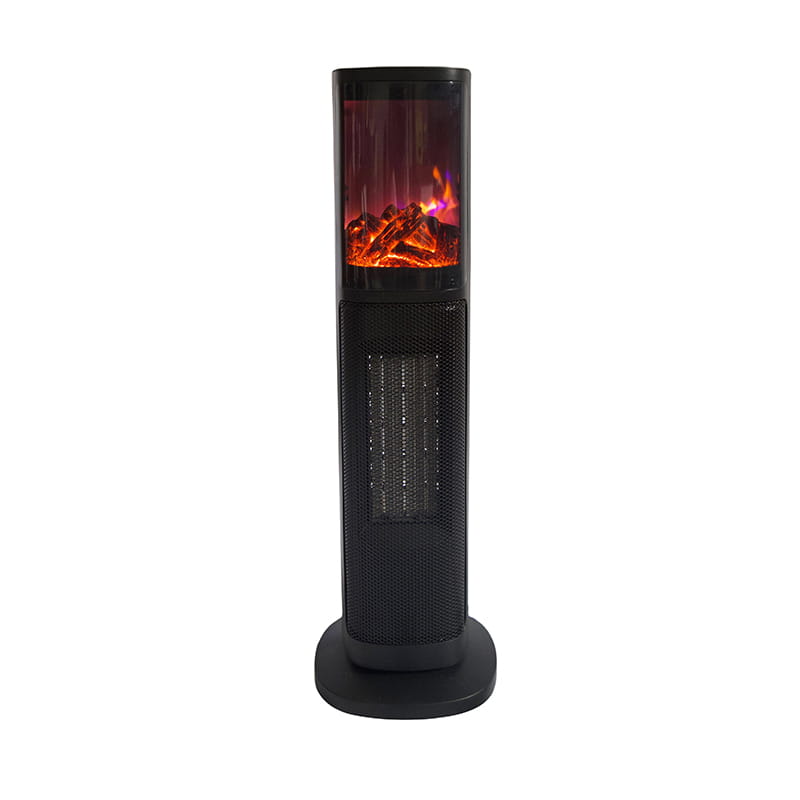
Este aquecedor simulado é uma boa opção de aquecimento que combina estética e praticidade. Eles s...
Veja detalhes -
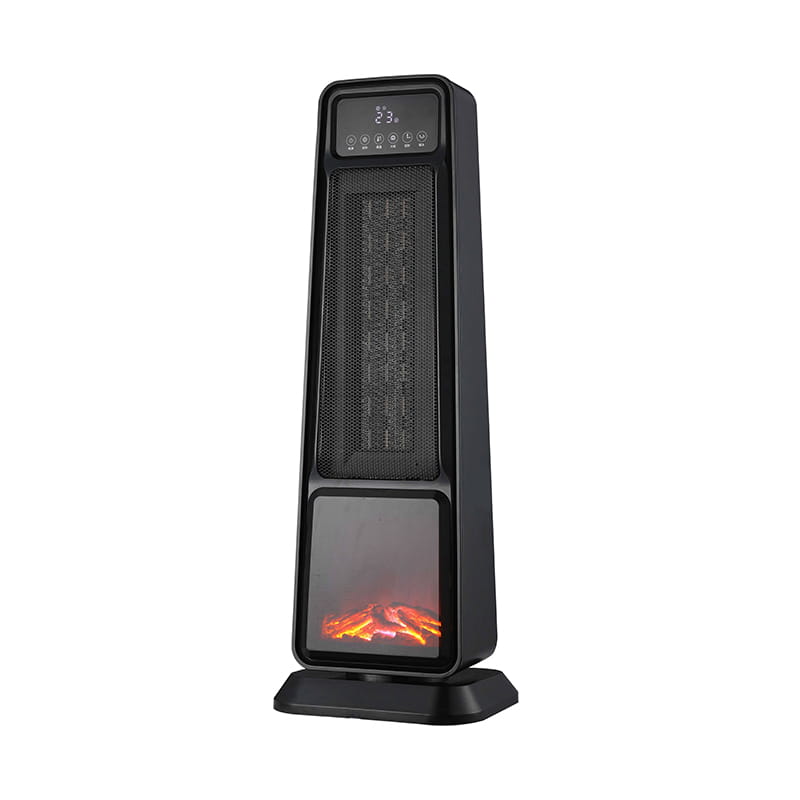
Este aquecedor de lareira é um tipo único e inovador de aquecedor elétrico que oferece um efeito ...
Veja detalhes -
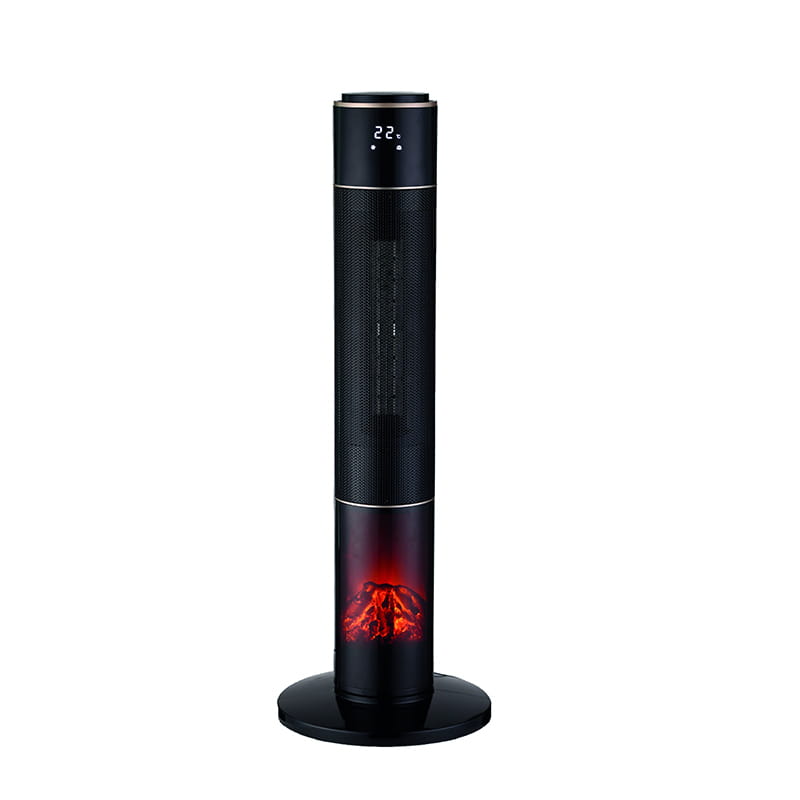
Os aquecedores de chama simulados são um tipo inovador de aquecedor elétrico que oferece um efeit...
Veja detalhes -
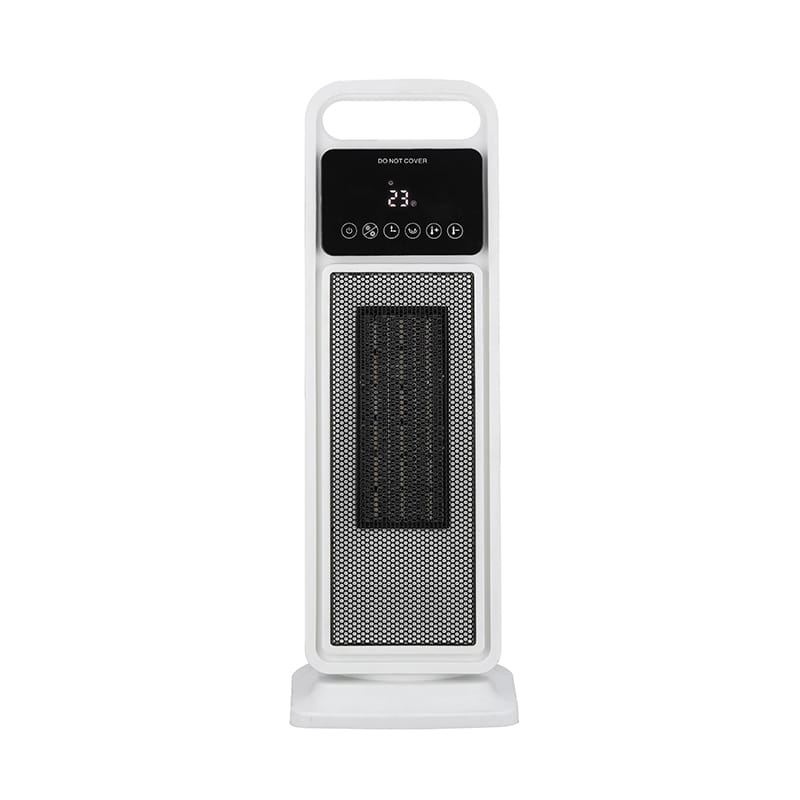
Eficiente de energia: os aquecedores de cerâmica são altamente eficientes em termos de energia, c...
Veja detalhes -
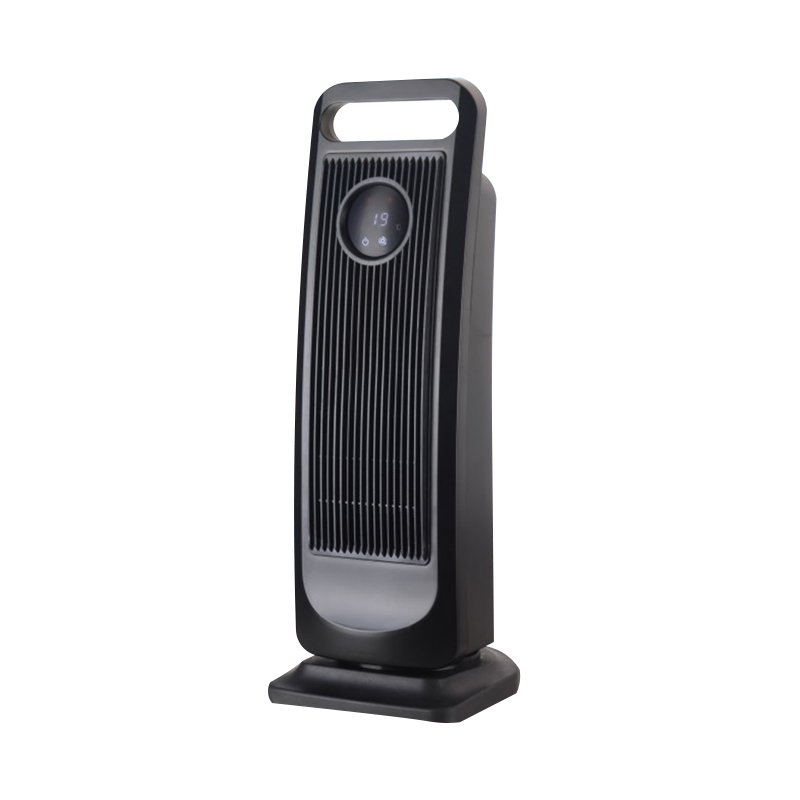
Este aquecedor possui duas configurações de energia em 1000W e 2000W, fornecendo aquecimento efic...
Veja detalhes -
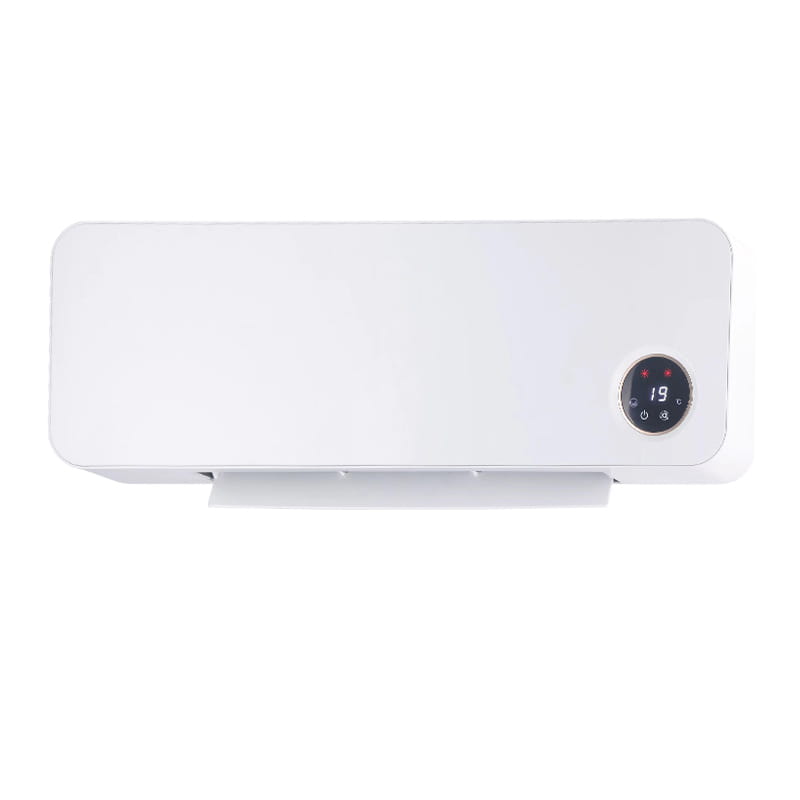
Este aquecedor montado na parede foi projetado para economizar espaço, fornecendo uma área maior ...
Veja detalhes
Notícias
-
Quanto tempo dura um Ventilador de acampamento recarregável Na verdade, o último Um ventilador de acampamento recarregável normalmente funciona entre 4 e 35 ...
Leia More -
Escolhendo o triturador de gelo comercial certo: a resposta curta A direita triturador de gelo comercial para um bar, restaurante ou café se resume ...
Leia More -
Um aquecedor com ventilador forçado é um aquecedor de ambiente que usa um ventilador embutido para empurrar o ar ambiente através de um elemento de aquecimento, fornecendo ar...
Leia More -
Você está em um quarto frio, tentando decidir entre um aquecedor barato com ventilador forçado e um aquecedor com ventilador de cerâmica. A escolha certa não se trata apenas ...
Leia More -
Triturador de gelo elétrico vs Triturador de gelo manual: o que é melhor para restaurantes Para a maioria dos restaurantes, bares e programas de bebidas de alt...
Leia More



Copyright© Ningbo Shuaige Electric Appliance Co., Ltd. All Rights Reserved
